



Digital marketing in 2026 looks dramatically different from what most marketers were doing even two years ago. Artificial intelligence now sits at the center of search behaviour. Short-form video dominates discovery. First-party data has replaced traditional tracking. Consumers expect seamless experiences across every touchpoint, and they trust creators more than brands.
The companies outperforming their competitors are not the ones chasing quick hacks or trend-chasing tactics. They are the ones adapting their strategies to the way real people consume information today—across AI search engines, social feeds, creator networks, and brand ecosystems.
This article breaks down the eight digital strategies that consistently drive real, measurable results in 2026, based on current industry data, practical implementation experience, and the behaviour shifts seen across global markets.
These are not theories. They are the strategies high-performing brands are using right now to rise above algorithm changes, strengthen user trust, and grow in a competitive digital landscape.
Read Also: Generative AI Integration Across Applications: Real-World Insights
AIRO: The New Standard for Search Visibility (Replacing Traditional SEO)
Search in 2026 is no longer shaped solely by Google. AI engines, generative assistants, conversational search tools, and multi-modal search systems have become the primary gateways for information. Users no longer “browse.” They ask. They expect concise, authoritative, evidence-based answers.
Traditional SEO still matters, but it is not enough on its own. Brands now need AIRO—Artificial Intelligence Result Optimization—a multi-layered approach that aligns content with how AI systems consume and generate answers.
AEO: Optimizing for Direct AI Answers
Answer Engine Optimization ensures your content is structured so AI can confidently quote and cite it. This requires:
- clearly defined sections
- transparent sourcing
- authoritative tone
- factual statements
- structured data
- consistent topic depth
GEO: Optimizing for Generative Responses
Generative Engine Optimization prepares your content to be included in AI Overviews, ChatGPT citations, and similar generative summaries. These engines prioritize:
- expertise
- evidence
- clarity
- experience-backed insights

AISO: Optimizing for AI Search Experiences
AI Search Optimization focuses on:
- conversational queries
- long-form question patterns
- voice and visual search
- multi-step informational needs
Why this matters
Google confirmed at I/O 2024 that the majority of exploratory queries now begin with AI-assisted guidance rather than traditional link browsing. AI Overviews are reshaping SERPs and highlighting trustworthy, structured, expert-backed content.
Dominate SERPs with High-Authority Video Content in 2026
Video is now the most trusted and consumed format across digital channels. It captures attention faster, explains information more effectively, and dominates modern SERP layouts. According to OptinMonster Video Marketing Video generates 66% more qualified leads than other content formats.
91% of consumers want to see more online videos from brands.
Google has responded by giving video far more visibility across:
- video carousels
- featured snippets
- AI citations
- “How-to” sections
- knowledge panels
Why video outperforms
- People understand visual information faster.
- Tone, expression, and body language build trust instantly.
- Demonstration removes friction and uncertainty.
- Algorithms prefer formats that keep users engaged longer.
A strong 2026 video strategy includes:
- short tutorials (45–65 seconds)
- 3–7 minute educational breakdowns
- narrative-style brand explainers
- UGC-influenced demonstrations
- multi-platform distribution (TikTok, YouTube, Instagram)
Video-rich content earns priority in Google’s video carousels, answer snippets, and AI-generated results. It also increases retention, boosts conversions, and answers user intent more clearly than text alone.
Privacy-Centric, First-Party Data Systems Are Now Non-Negotiable
With third-party cookies disappearing, first-party data has become the foundation of modern personalization and compliance.
71% of consumers expect personalized experiences and 76% feel frustrated when personalisation is missing.
Users will share data—but only when there is:
- clear communication
- transparent consent
- genuine value in return
- a simple opt-in flow
A strong first-party data system includes:
- clear consent language
- preference-based communication
- automated data governance
- privacy-forward design
- real benefits for the customer
Why this matters:
Brands using first-party data refine their:
- targeting
- personalization
- segmentation
- retention
- lifetime revenue
Users willingly share data when transparency and value are clear. First-party data boosts targeting accuracy, strengthens compliance, and enables personalized experiences users actually prefer.
First-party data isn’t just a compliance requirement—it is the backbone of sustainable, personalized marketing in 2026.
Real Omnichannel Strategy: Consistency, Not Presence
Most brands post on multiple platforms. Few deliver a continuous experience across them.
True omnichannel strategy means that:
- a user recognized on your website is also recognized in your store
- a product viewed on social media follows the user through their journey
- communication aligns across email, SMS, ads, and content
- customer support integrates seamlessly
- purchase history informs recommendations everywhere
Why this works
Seamless transitions create familiarity and confidence. When data, messaging, offers, and user support align across web, mobile, social, and physical locations, loyalty surges.
Omnichannel shoppers buy 70% more often. They spend 34% more overall than in-store-only customers.
These aren’t small numbers—they reflect deeper emotional confidence in a brand that “feels connected.”
What a 2026 omnichannel framework includes:
- unified customer data
- consistent tone and design
- automated but human-supervised workflows
- seamless transition across channels
- regular performance evaluation
Omnichannel is now the differentiator between functional brands and growth-driven brands.
Community-Driven UGC: The Most Scalable Content Engine Today
Authenticity has become one of the strongest trust signals on the internet. Polished brand content has far less influence than real customer experiences.
UGC increases conversions by up to 144%.
This is why User-Generated Content (UGC) has evolved into a full content engine—not just a social add-on.
A strong UGC system includes:
- automated prompts after purchases
- simple upload flows
- community challenges
- incentive frameworks
- recognition programs
- reposting on branded channels
One fitness brand saw a 300% increase in UGC production after introducing:
- guided prompts
- simple submission screens
- tiered rewards
- public recognition
Why UGC matters for SEO
UGC contributes:
- fresh content signals
- organic long-tail coverage
- diverse keyword representation
- higher engagement
- strong social proof
Human oversight is essential, but UGC remains one of the highest-ROI content strategies in 2026.
Interactive Content: The New Way to Drive Decision-Making
Interactive experiences help users understand options, compare choices, and solve problems. These formats are proven to increase:
- dwell time
- confidence
- shareability
- conversion rates
Examples include:
- calculators
- quizzes
- decision trees
- comparison tools
- interactive graphs
- product recommendation engines
Why interactive content works
It moves users from reading to participating.
When people participate, they commit—and committed users convert at higher rates.
Interactive tools reduce uncertainty, which is the largest barrier to purchase.
Gen Z Search Optimization: Adapting to a New Digital Behaviour Pattern
Gen Z has different expectations than any generation before them. They search across:
- TikTok
- Instagram
- AI assistants
- YouTube
- Google
- voice search
- visual search
Their behaviour is shaped by speed, clarity, and creativity.
To earn Gen Z visibility, your content must be:
- concise
- scannable
- visually guided
- conversational
- emotionally relatable
- transparent and straightforward
Gen Z trusts:
- creators
- community opinions
- video demonstrations
- authentic stories
- brands that communicate like humans
Optimizing for Gen Z is not about using slang or trends—it is about respecting how they process and validate information.
Influencer Partnerships Are Now Critical to E-E-A-T
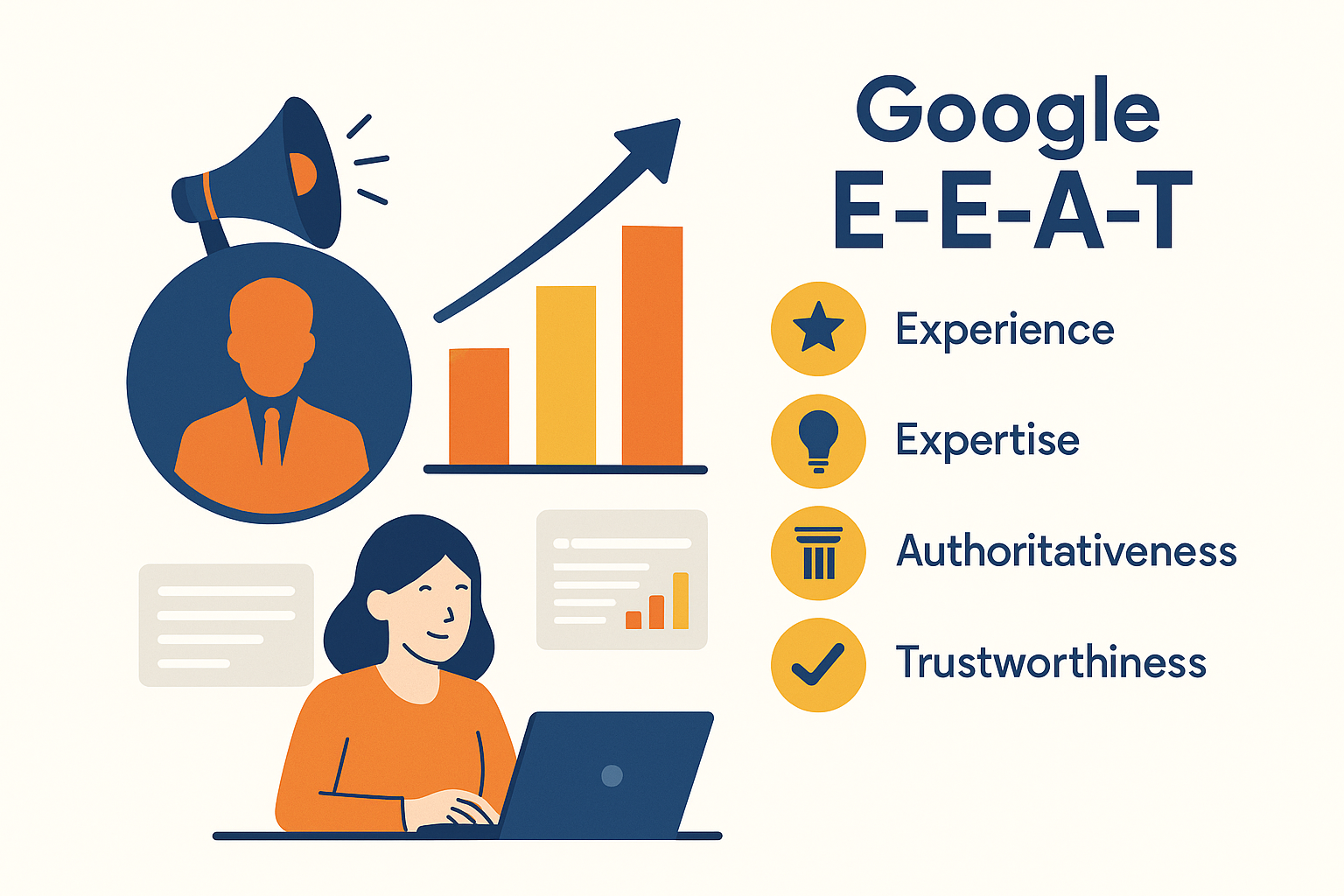
Google’s E-E-A-T framework—Experience, Expertise, Authoritativeness, Trustworthiness—has always influenced ranking. But in 2026, one of the strongest credibility signals is third-party validation, especially through influencers.
58% of consumers have bought a product based on influencer recommendations.
Why influencers strengthen E-E-A-T
- They demonstrate experience through real-world use.
- They offer expertise in their niche.
- Their follower trust increases brand authority.
- Their independence strengthens trustworthiness.
However, authenticity is everything. Influencers must:
- speak in their own style
- use the product genuinely
- create unscripted content
- collaborate long-term, not one-off
A misaligned influencer can harm credibility faster than a bad review. But a well-matched partnership boosts brand trust broadly across platforms.
Why These Advanced Digital Strategies Matter in 2026
These eight strategies matter because they match how real people think, act, decide, and search in 2026.
1. Search has shifted to answers—not pages.
People use AI to get precise, authoritative responses.
2. Technology is evolving too quickly for slow decision-making.
Brands that adapt early outpace competitors who wait.
3. Trust has become the main differentiator.
Privacy, ethics, and transparent communication matter more than ever.
4. Web 3.0 concepts are influencing user expectations.
People expect ownership, personalization, and community-governed experiences.
5. AI has accelerated how brands build tools and content.
Agile operations will dominate slow legacy systems.
6. AR, VR, and virtual try-ons improve product understanding.
They reduce uncertainty and drive higher purchase confidence.
7. First-party data enables intelligent, respectful personalization.
Brands without it lose their competitive edge.
8. Consumers use multiple platforms to validate information.
Search journeys are no longer linear—they are multi-channel and multi-format.
May you Also Like: How AI is Shaping the Future of Precision Medicine
Conclusion
Digital marketing in 2026 rewards brands that prioritize clarity, credibility, and genuine user value. The tactics that once defined online success—keyword stuffing, surface-level content, generic videos—no longer hold weight. The brands winning today are those that produce content worth citing, experiences worth sharing, and strategies built around real human behaviour.
If you want to stay competitive, start with one or two of these strategies and implement them consistently. Refine your content. Strengthen your data foundation. Adopt AI responsibly. Build real community involvement. And above all, earn the trust of your audience.
This is not just what works in 2026.
This is what defines the digital leaders of the next decade.
How do I choose the best digital strategy for my business?
Define your business goals clearly, then analyze your strengths, weaknesses, opportunities, and threats (SWOT). Research your target audience to understand their online behavior and preferred channels. Choose digital channels that align with your goals, track performance, and optimize regularly.
What is the biggest mistake businesses make when planning for 2026?
The biggest mistake is relying on outdated strategies or copying competitors without considering unique business goals. Ignoring emerging trends, technologies, and changing customer behavior can lead to poor results.
Why are short-form videos still important in 2026?
Short-form videos remain important because they capture attention quickly, drive engagement, and perform well on social media platforms like TikTok, Instagram Reels, and YouTube Shorts. They are ideal for conveying concise messages to mobile audiences.
What core skills does a digital marketing team need in 2026?
A digital marketing team should have skills in AI-powered marketing tools, analytics, content strategy, SEO, paid advertising, social media engagement, and conversion optimization. Creativity, adaptability, and data-driven decision-making are essential. Further more!
- Data literacy
- Community management
- Prompt engineering
- Strategic content storytelling
- Video communication
- AI-assisted decision-making
How often should digital strategies be updated?
Digital strategies should be reviewed and updated at least quarterly, or whenever significant changes in market trends, technology, or audience behavior occur. Regular updates ensure the strategy remains effective and competitive.